OUR RESEARCH

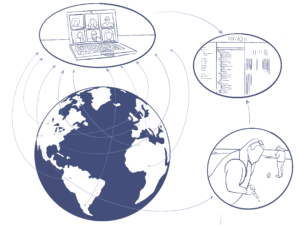
As eDNA becomes more accessible, we wanted to explore what barriers remain to community usage of eDNA and what value community scientists saw to eDNA. We reached out to community science projects across the globe and conducted 50 interviews with different stakeholders who are using eDNA as a tool for community science. These interviewees included everyone from people using eDNA in the field for community science projects right now, people planning to use eDNA soon, and people deciding what to do with data collected from community science eDNA projects.

We also introduced a group of community scientists to eDNA tools for the first time, to better understand the challenges and excitement of new users. These community scientists were able to collect eDNA samples, have them processed, and discuss the data—giving us experiential insights to combine with our interview data.

50

interviews conducted

8+

countries where projects were located

7+

kinds of host institutions

KEY INSIGHTS

Both Successes & Challenges

We took several major conclusions from the interviews. First, barriers exist at many levels to eDNA usage: from developing projects, funding, coordinating, permitting, and the difficulty of explaining eDNA analyses, interviewees shared diverse issues in eDNA implementation. But secondly, eDNA tools have been used across the world in incredibly powerful ways, engaging people with their environments, allowing non-invasive sampling, and enabling data collection on radically new scales.

Gaps in Community

One key piece missing, we realized, was no network existed to connect community scientists working with eDNA questions. Indeed, many of our interviewees had never heard of anyone else working with eDNA for community science. While we were able to bring our interviewees together in online synchronous and asynchronous workshops after our original interviews, we wanted to help build connections beyond that group. To create room to continue to form those connections, we developed this website in order to map eDNA community science projects across the world, create spaces for people to discuss and troubleshoot, and give clear pathways for people to begin exploring eDNA themselves.

COMING SOON...